
Wade Holloway, Power & battery writer
I write about the part of a 12V fridge nobody photographs: the cable. Read enough owner reviews and a pattern shows up fast. A lot of "it stopped cooling" stories turn out to be a plug working loose in a lighter socket, a socket that goes dead when the engine stops, or a cutoff set so low the starter battery had nothing left by morning.
Most of my work happens in the dull pages. The electrical section of the manual, the fuse rating, the table of battery-protection levels, the line about which DC cable comes in the box. I compare rated input and cutoff settings across models, and I check which fridges take a power station, a solar input or a removable battery, and what each manufacturer actually says about running them that way.
Accessories are mine too, because a slide or tie-down kit that fits one model suffix and not the next is an easy way to lose a weekend and a return label.
I haven't wired these fridges into anyone's vehicle for this site, and I won't pretend I have. What I can do is read the paperwork closely, line the models up, and tell you what to check before you plug in.
Areas of expertise
- 12V sockets, plugs and cable runs
- Low-voltage cutoff and battery protection
- Power stations, solar input and removable batteries
- Slides, mounts and accessories that fit
How I work
- I trace the power path first: battery, fuse, socket or terminal, cable, fridge.
- I take cutoff levels from the manual itself, not the listing bullets, because the two don't always agree.
- In owner reviews I look for loose plugs, flat batteries and fuses that blow.
- If a manual is vague about a cable or a fit, I say it's vague instead of guessing.
Articles by Wade Holloway
Written
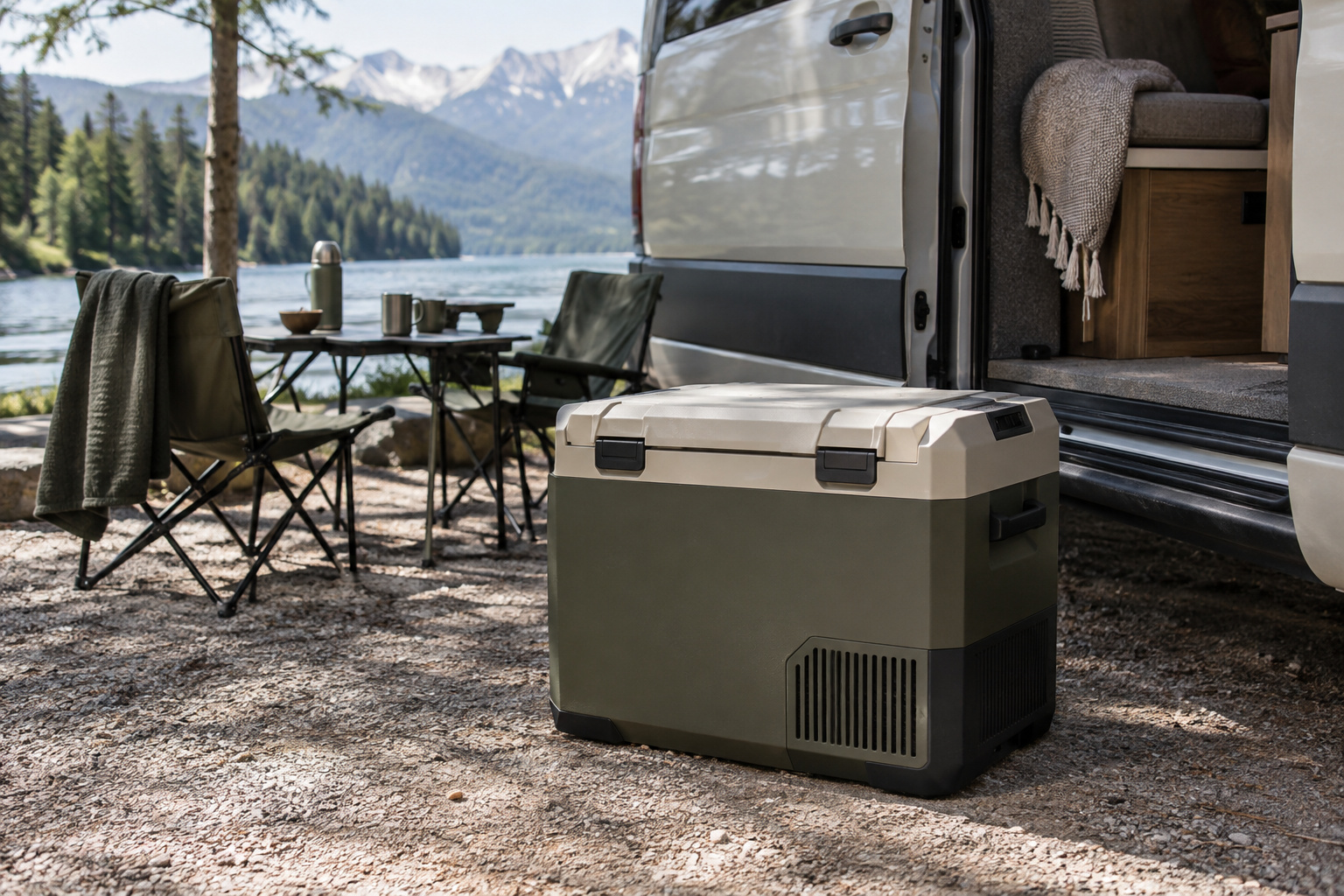 Portable refrigeration
12V fridge power connections: a model-specific checklist
Check the source, outlet, approved cable and interruption behavior before connecting a portable refrigerator.
Read the guide Portable refrigeration
Portable fridge battery protection: what a cutoff tells you
Understand low-voltage shutdown without confusing it with state of charge, starting reliability or food safety.
Read the guide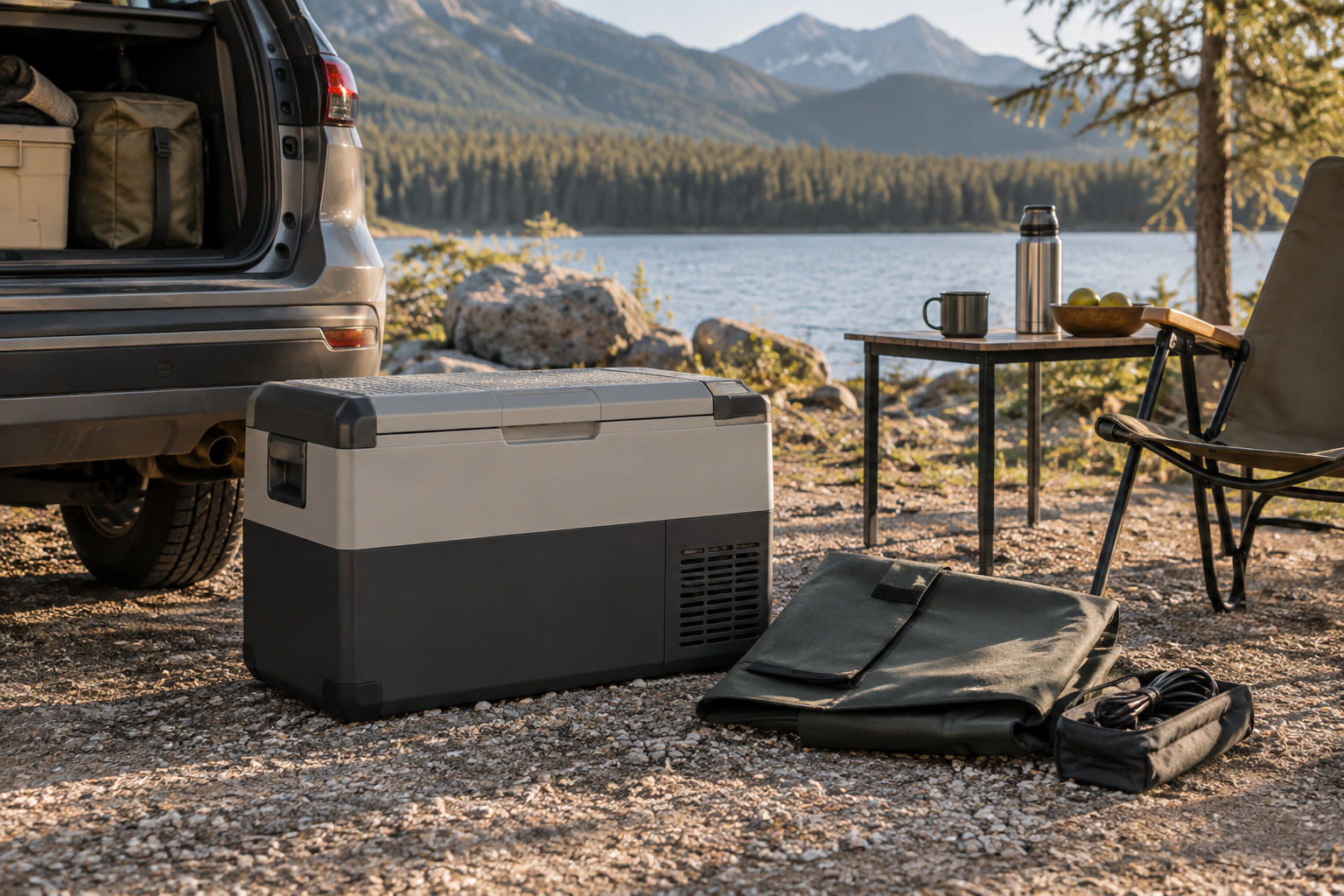 Portable refrigeration
Portable fridge accessories: verify fit before buying
Check cables, covers, slides, baskets and replacement parts against the exact refrigerator model.
Read the guideEdited
 Portable refrigeration
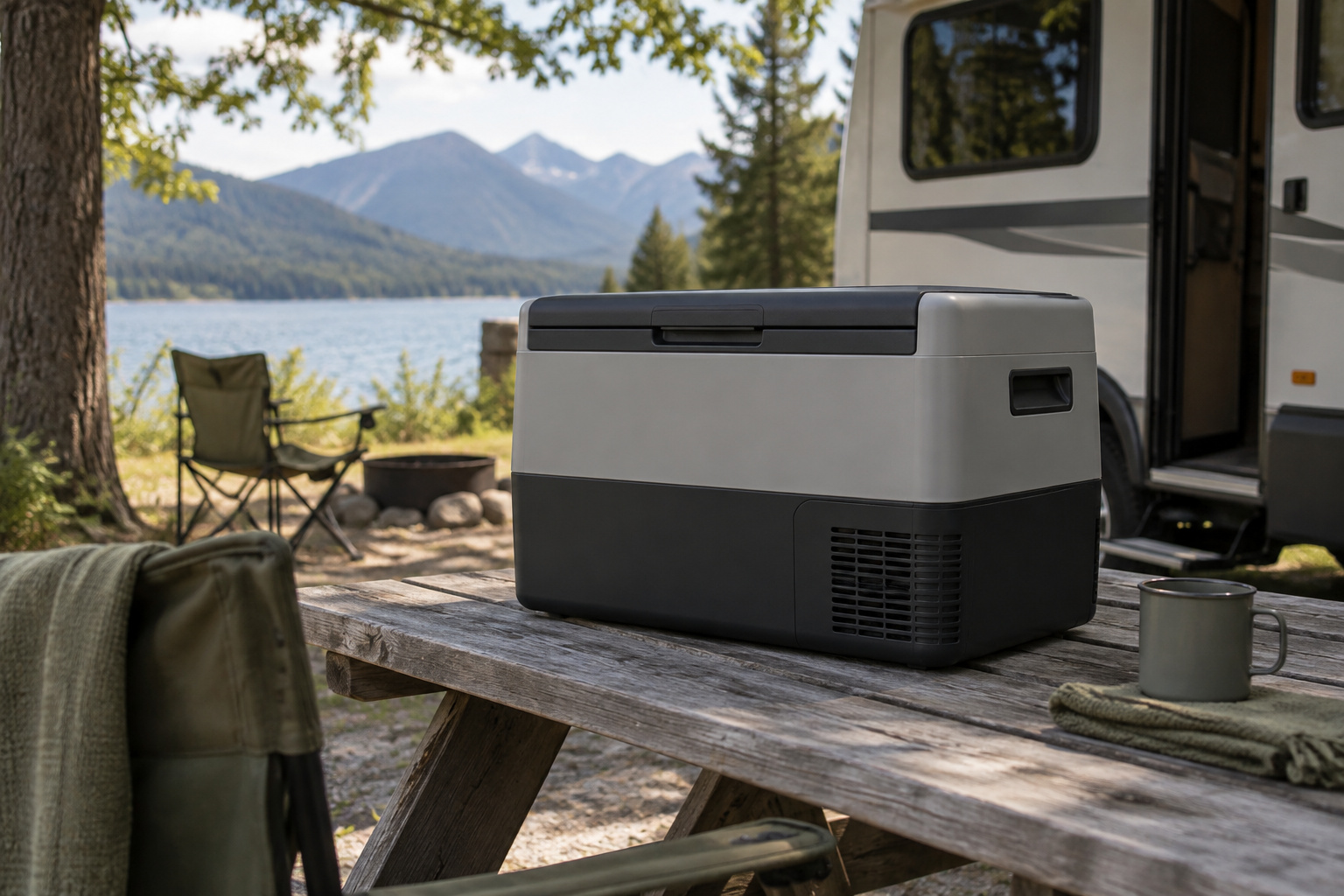
How to choose a 12V fridge for the way you travel
Build a refrigerator shortlist around food, vehicle space, operating conditions and exact power connections.
Read the guide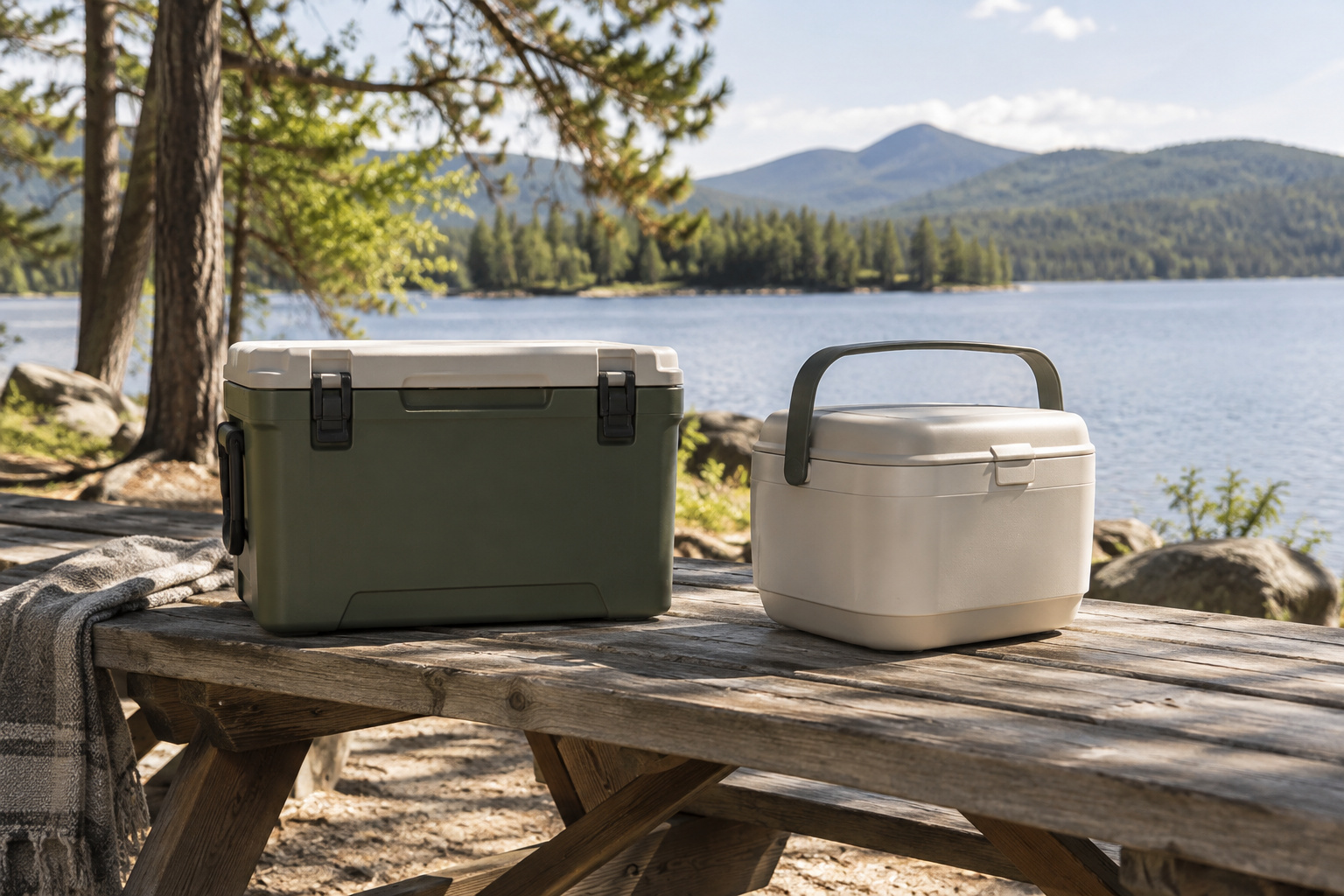 Portable refrigeration
Compressor vs. thermoelectric coolers: what changes
Understand ambient-dependent cooling, selectable temperatures and the evidence to request before storing food.
Read the guideHow we compare and rate the fridges is explained on How we rate. The rest of the team: Our editors.