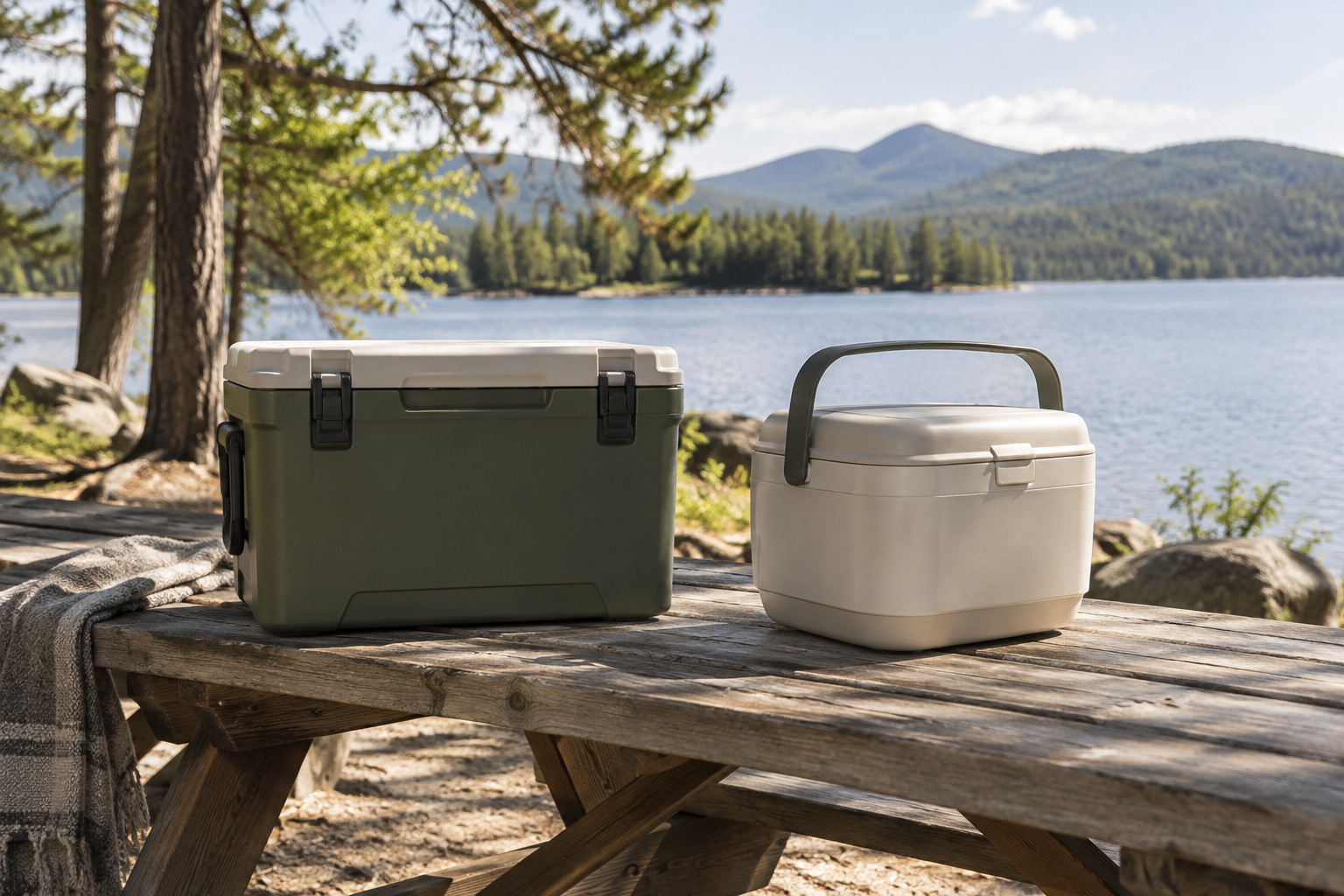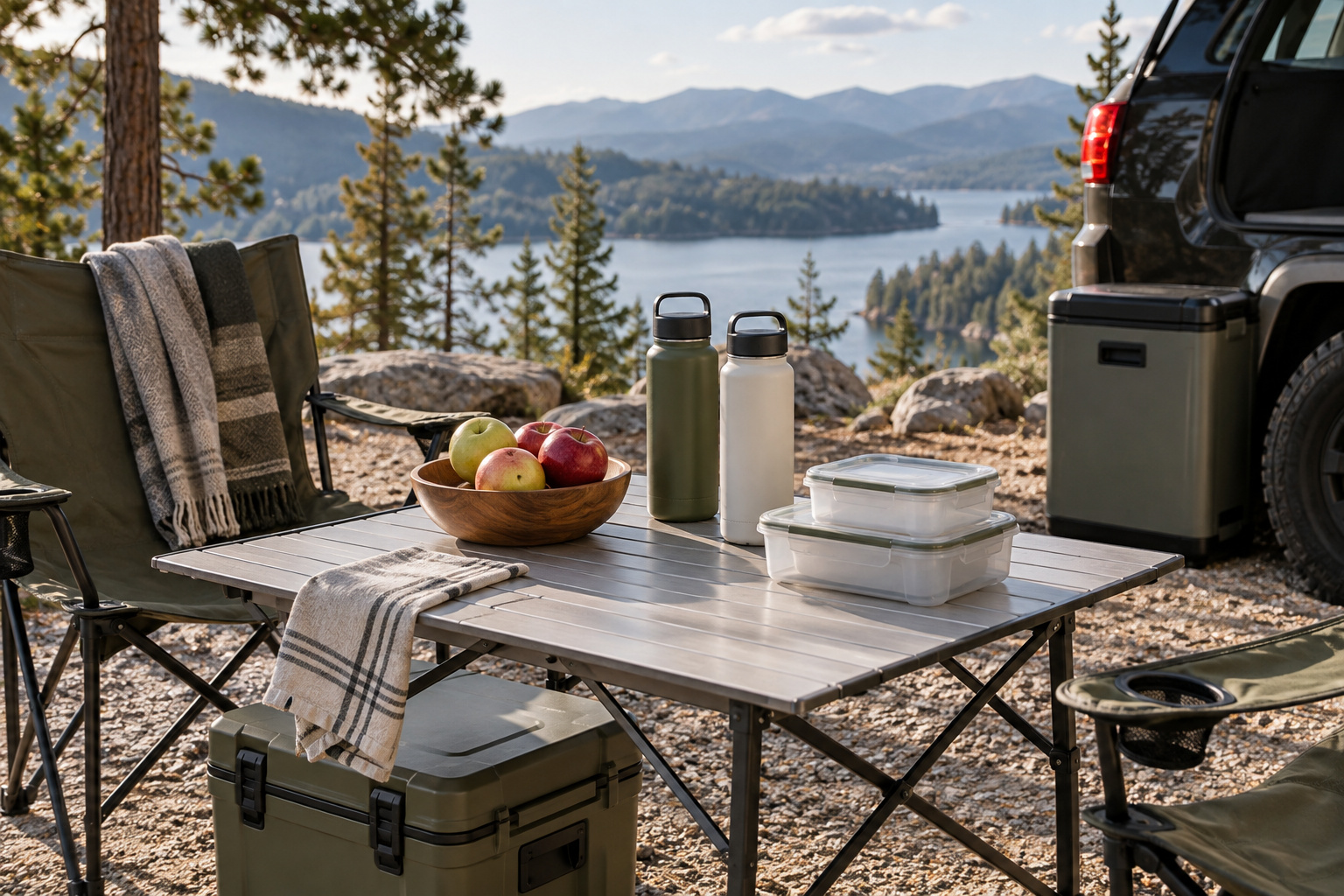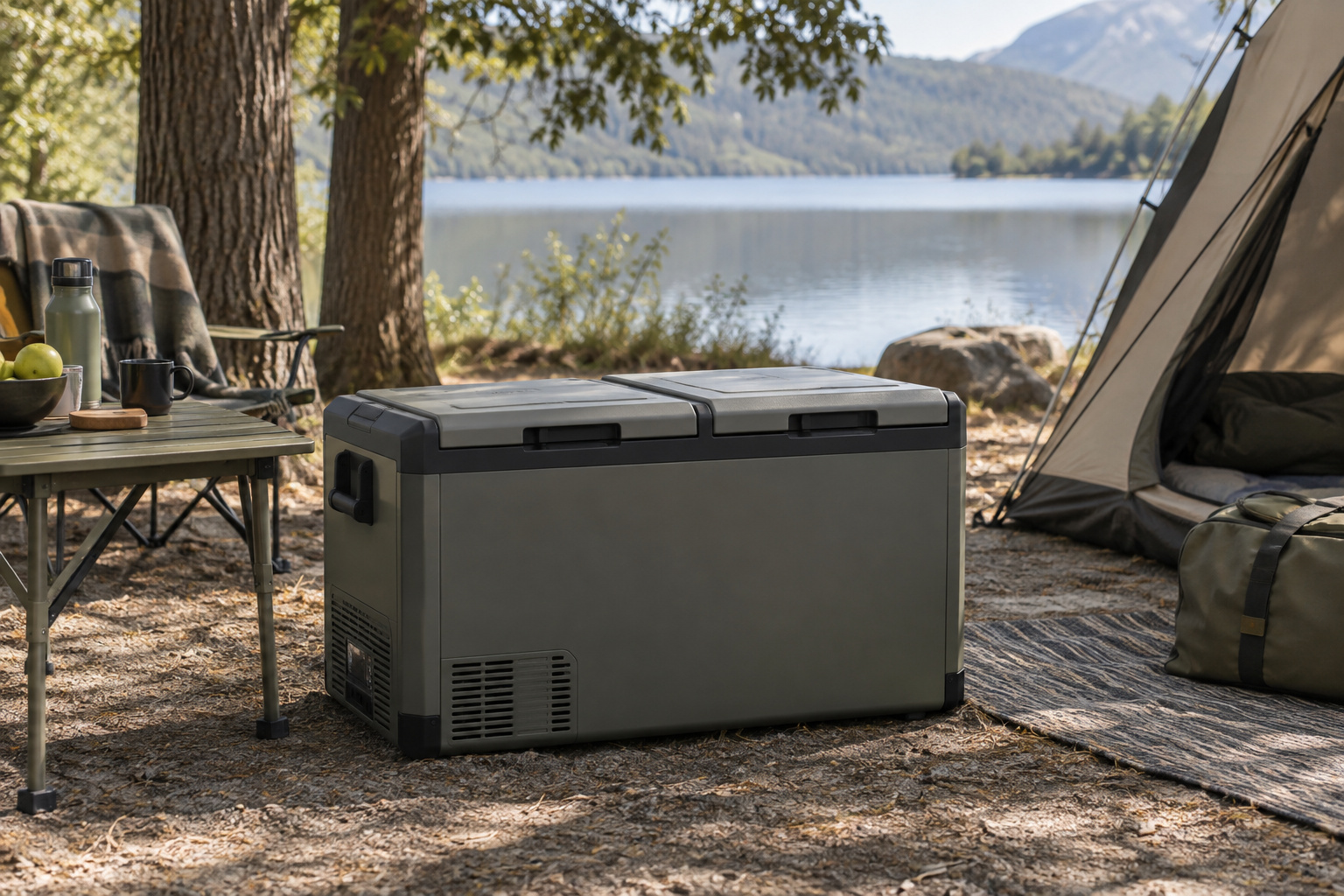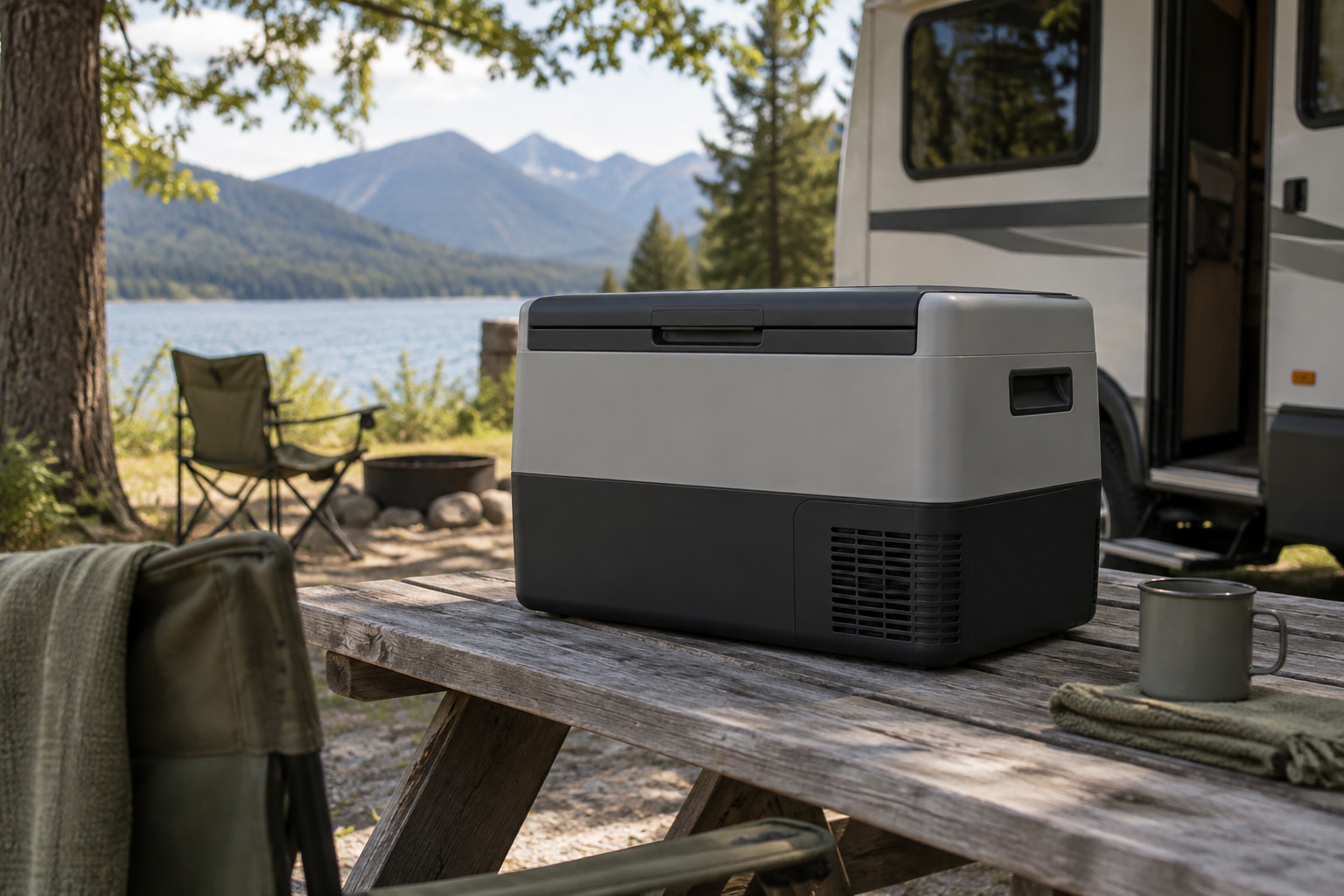
A portable fridge purchase starts with a travel routine, not a can count. A solo driver moving between grocery stores needs a different setup from a family staying at one campsite. Write down the meals, the available cargo space and the longest time without dependable power. Those constraints make the catalog easier to use and expose compromises before you buy.
Define the job before the model
Start with a sample trip you actually take. Count breakfasts, packed lunches, dinners and drinks between resupply stops. Identify which ingredients need refrigeration and which can travel as shelf-stable alternatives. Decide whether frozen storage is essential or simply attractive. A freezer compartment that you rarely use still occupies valuable space in the vehicle and changes how you pack.
Separate your normal trip from your most ambitious imagined trip. Buying around an occasional expedition can leave you lifting and storing a large box every weekend. Conversely, choosing only for the daily commute can force frequent shopping stops on a longer journey. Write a short purchase brief with three nonnegotiable requirements and three conveniences. This is an editorial planning exercise, not a formula that predicts a universally correct fridge size.
Source: Dometic choosing cooler size.
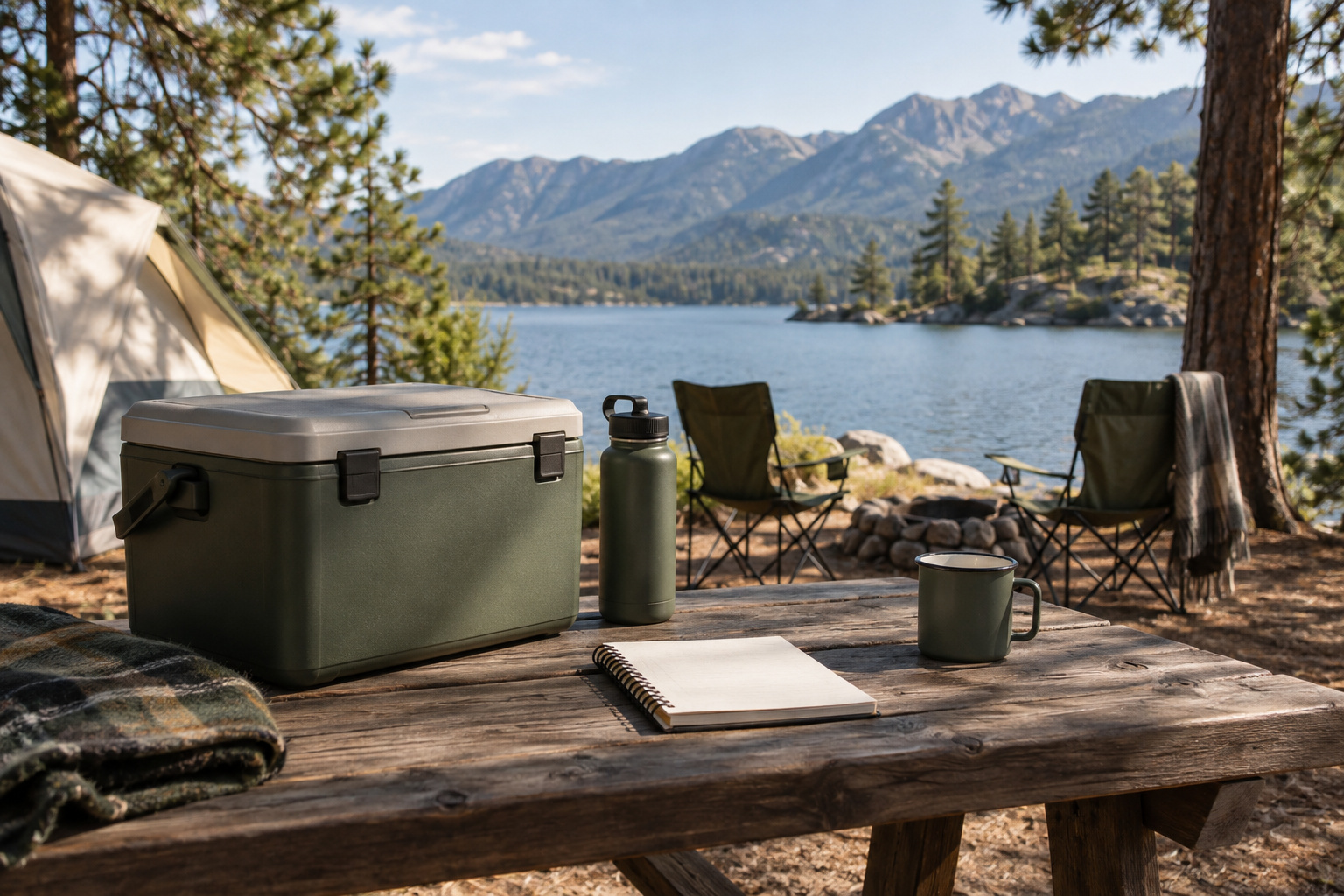
Identify the cooling system
An electric cooler and a compressor refrigerator are not automatically interchangeable. Dometic describes thermoelectric cooling as dependent on surrounding temperature; its compressor explanation describes a refrigerant cycle that transfers heat from inside the box to the surrounding air. The exact product manual still determines operating limits and supported power sources. Read our technology comparison before comparing advertising language.
Do not treat a lowest selectable temperature as proof that the box maintains that temperature everywhere under every condition. Ask what the manufacturer documents about ambient operating range and cooling operation. A display, an app and a freezer symbol are controls or information features, not a food-temperature test. If evidence is missing, leave the question open rather than filling the gap with a similar model's specification.
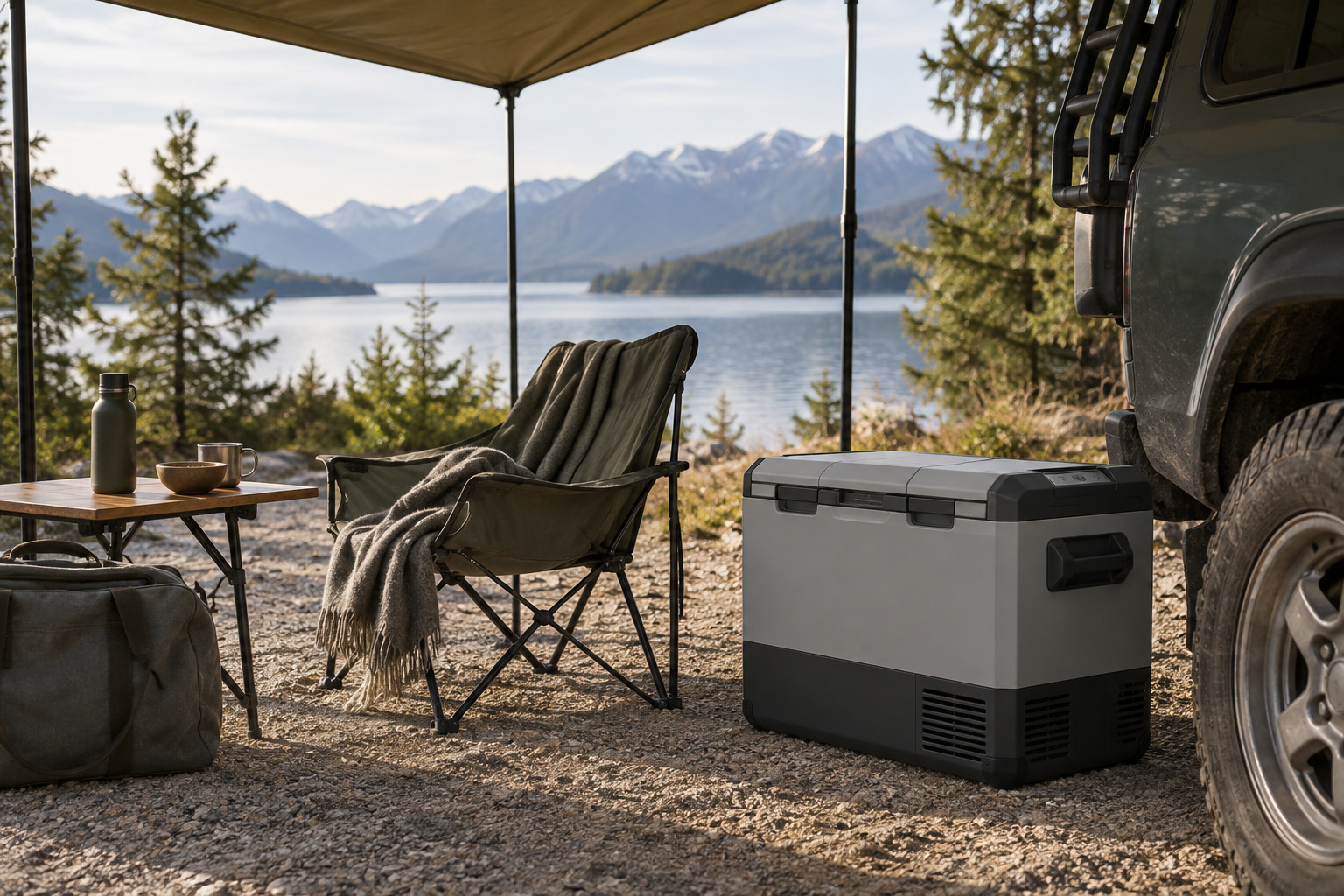
Measure the complete installation
Measure the vehicle area with the seats, cargo and other equipment in their normal positions. Check width at the narrowest point, usable depth and overhead clearance. Include handles, plug projection and the route a cable needs to take. A chest refrigerator needs usable space above its lid; a slide changes the footprint while extended. Compare exterior dimensions separately from interior volume.
Use the fridge fit planner to organize these measurements, then inspect the physical location. It cannot assess an irregular wheel arch, a blocked air outlet or the strength of a tie-down point. The placement guide explains why a box that geometrically fits may still have an unsuitable installation. Avoid buying mounting hardware before checking the exact refrigerator base and supported attachment method.
Source: Dometic CFX3 operating manual.
Establish the electrical path
Trace power from its source to the refrigerator inlet. Record the source voltage, outlet rating, approved cable and any adapter. Confirm whether a vehicle socket switches off with the ignition and what the vehicle manual permits. The refrigerator's low-voltage cutoff is a separate feature; it does not turn every vehicle socket into a suitable unattended power supply.
For campsite use, write down when you can replenish or replace the power supply and how you will notice an interruption. Do not use rated running watts as a promise of daily consumption. Temperature, loading and operation affect the pattern of compressor use. Our connection checklist helps you ask model-specific questions without prescribing an unverified wiring arrangement. A permanent installation needs equipment-specific electrical guidance.
Source: Dometic CFX3 operating manual.
Compare the ownership details
Look beyond the first trip. Check whether the basket lifts out, whether you can reach the drain if one is provided, how the gasket is cleaned and where the empty refrigerator will dry after use. Consider the full handling routine: loading at home, moving to the vehicle, reaching food at camp and returning it to storage. Product weight without contents does not describe the complete lifting task.
Then compare exact listings. Confirm that the selected variant includes the power cords and accessories you expect. Save the model identifier and manual location, and read the return and warranty information at the point of purchase. Our comparison positions are unscored discovery lists, not measured winners. The useful final shortlist is the one for which you can answer the practical questions with evidence and clearly identify what still needs checking.
Source: Dometic CFX3 operating manual.
Make a food-storage plan
Refrigeration is only part of the system. Pack food in suitable closed containers, separate raw ingredients and plan temperature checks. Government guidance sets refrigerator storage at 40°F or below; follow the linked food-specific storage chart for duration limits. A larger refrigerator does not extend those limits. Bring an alternative meal plan if cooling becomes unreliable.
Before the first journey, become familiar with the controls using a low-consequence setup at home and follow the manual's startup instructions. Verify that the lid closes properly with your actual containers and that the intended location leaves the vents unobstructed. This practical familiarization is something an owner should do; we have not physically tested any of the catalog products. Record uncertainties before departure rather than discovering them when the food is already packed.